
Sat, 19 Jun 2021 13:44:07, atika, [category: openran-community]
Canonical that company produces software like Ubuntu operating system, Kurbenetes, and Openstack. This company is interested into telecom space because by seeing in the private mobile networks and most of them are built on open source technologies are changing many industries and have huge interest from their customers which would we not think that are typical not only telecoms like mobile network operators but also companies from retail, industrial, robotics, gaming, telco, healthcare, applied AI, education and offices, and automotive are interested in building their own private networks and Open RAN helps here a lot.
Who already uses private mobile networks is that just a technology that in research papers and In documentations or it is actually deployed. For example at European that are many in other places of the world as well like Charless de Gaulle airport is using this kind of networks, Daimler factories building Mercedes-Benz cars, and BOSCH and OSRAM in Germany there was a spectrum auction the first people who started building was also a company manufacturing light bulbs. So not because t-mobile is not volatile but actually manufacturing companies were also interested in having their own spectrum and building and also their own network, so this area has a big opportunity.
Is 5G Making Potatoes Grow in the Shape of a Box?
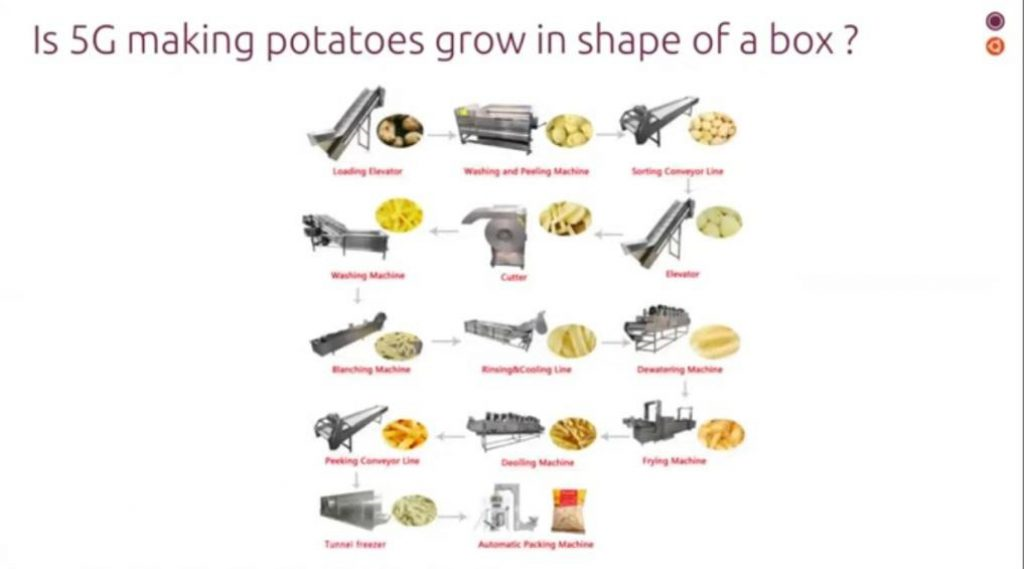
Manufacturing of French fries is a fully automated process so we can get many different machines and basically if we put potatoes in the beginning of the process and we get nice parched French fries in the end. So if we make French fries the perfect shape of a potato would be ideal like box shape because we can cut it and not lose any vegetables.
The biggest manufacturers in Poland like growers of potatoes and agriculture farms are doing building their own private 5G network based on open technologies and using kids to control drones for spraying the crops and gathering data from different sensors like temperature, humidity, barometric, pressure and then prepare spraying composition which makes the vegetables grow in the desired way and also the size. Actually this kind of approach improved their outputs by 15% so this is like a huge ROI and thanks to the open technologies it can be built more quickly and easily.
Port Logistic Powered by a Private Mobile Network
Another use case that was done by Marciez Major is one of the ports in Europe, where they used the 5G network and millimeter wave for tracking the containers, managing the whole movements of cranes and moving the containers. The benefit of millimeter wave is really great location accuracy so if we build a stump with a network like that actually can use the telecom capabilities in LMF location file, like function for managing locations and get enough information to do like a digital twin of the whole port so can get a virtual representation of everything that is there and manage it this way.
Open Source
Open source Is the ones that help to build a mobile private network
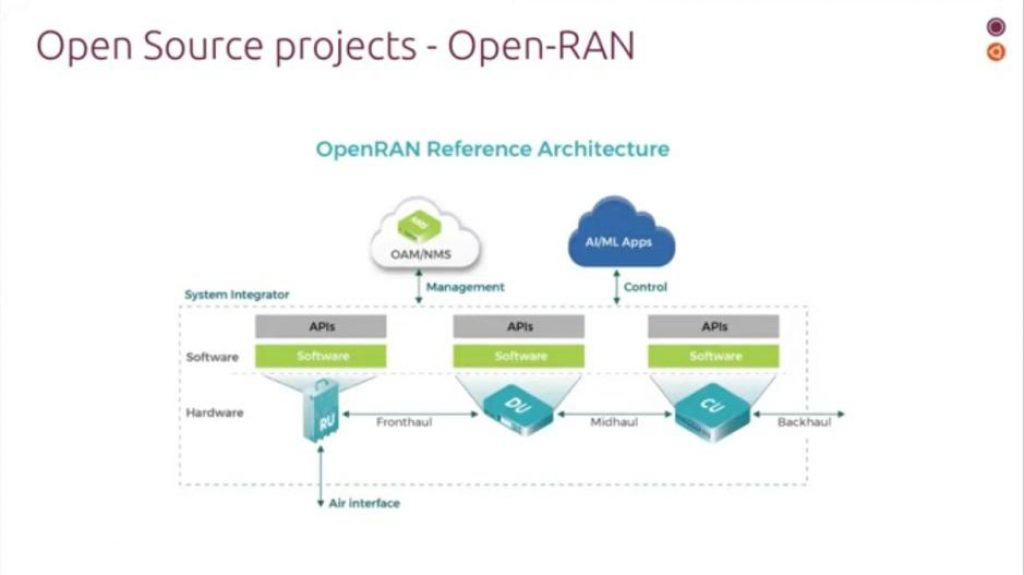
- Open Source Project – Open RAN project
This is the most popular way of building private networks right now and also very recommended. In order to have a network besides the radio part obviously needs a core part and there are different open source projects addressing it.
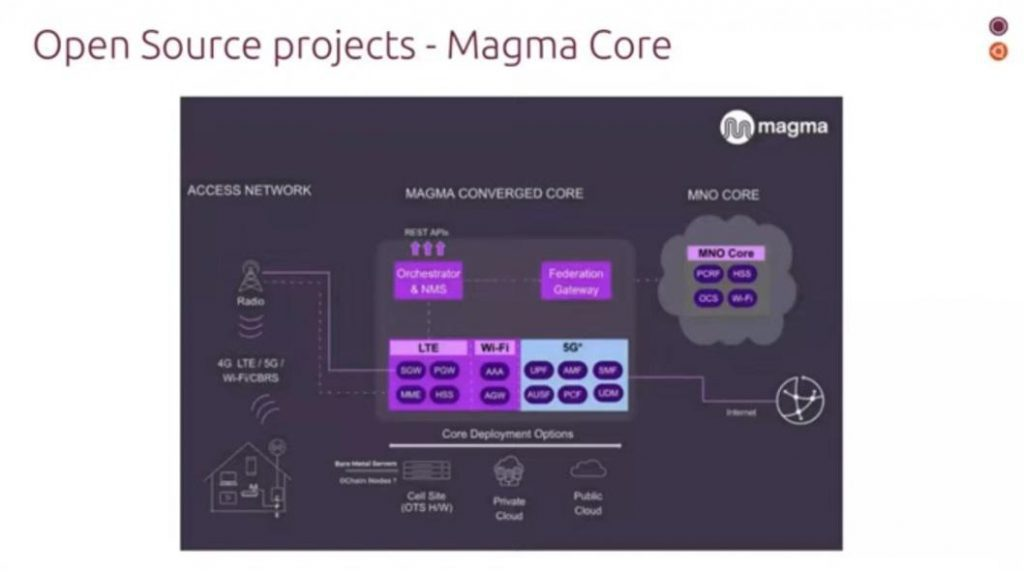
- Open Source Projects – Magma Core
Basically this is an EPC not built in a standard Telco way but built initially by Facebook engineers and now maintained by the community, and following a more ID traditional approach. This is really nice to build private mobile network setups which don’t need to be connected to other mobile operators so I advise to build the next Verizon using the technology but this is a great for IOT industrial setups.
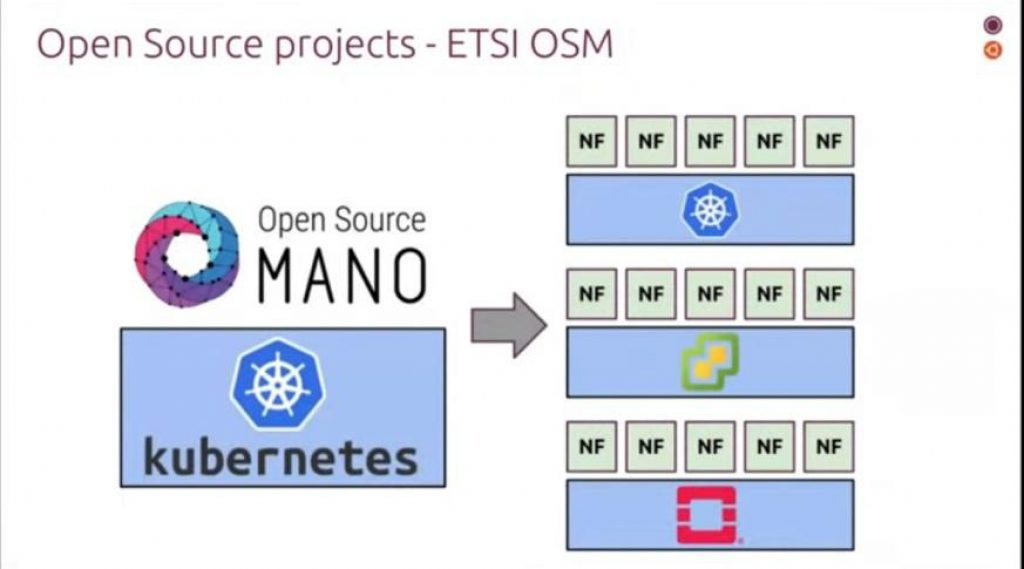
- Open Source Project – ETSI OSM
OSM is focused on making the onboarding of different network functions easy and also there are efforts in the community to make it the non-real-time rig of the Open RAN scenarios.
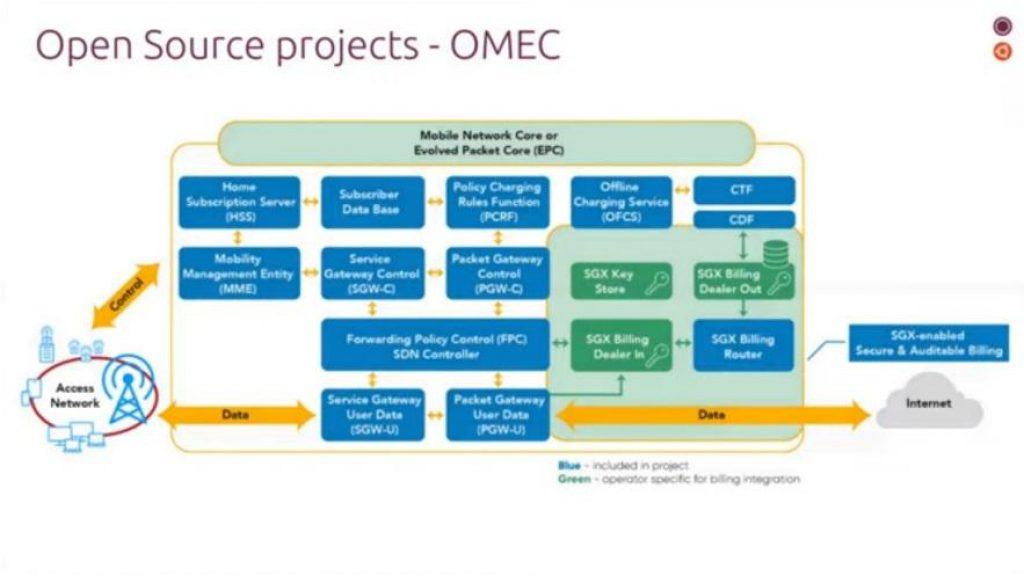
- Open Source Project- OMEC
This is also a very interesting one because the goal is to be as much as possible standard compliance so if would actually try to build a fully fledged mobile operator based on open source technologies this would be the way to go because we get in addition to the technical bits and pieces needed, billing charging, which important in this kind of operator like use cases.
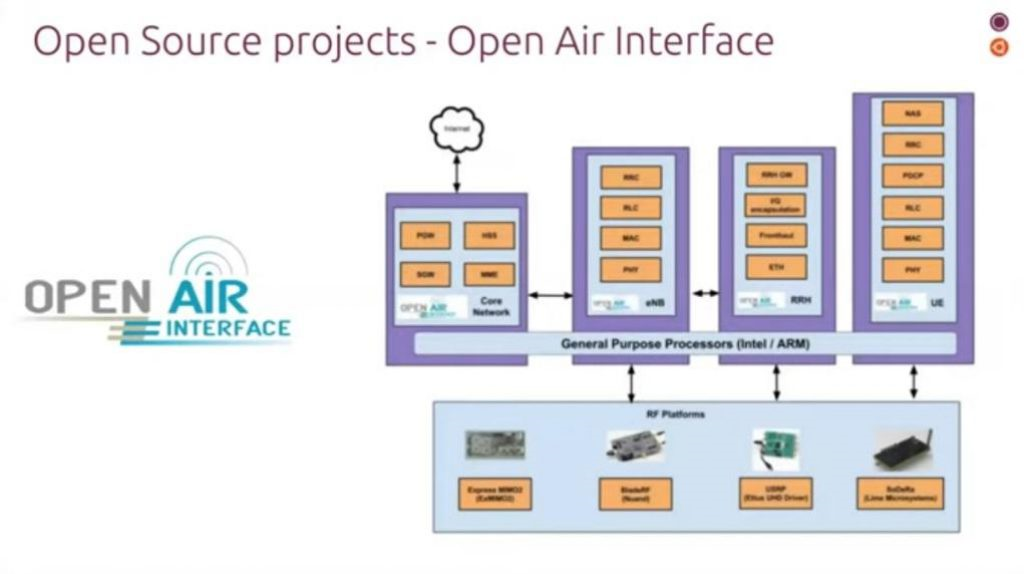
- Open Source Project – Open Air Interface
Open Air Interfaces focus on the both core network and radio network and basically most look at the integration of different components together.
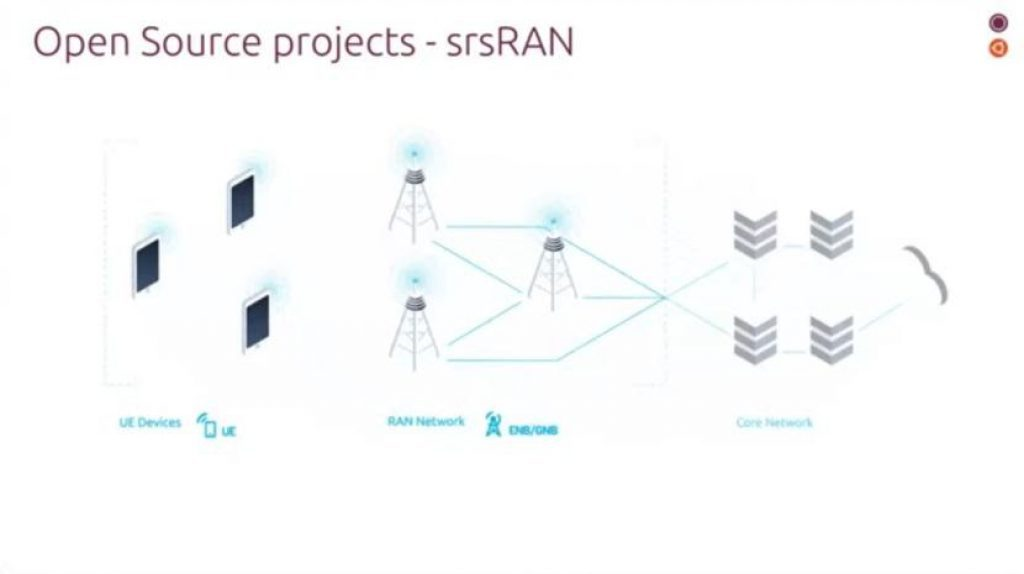
- Open Source Project – srsRAN
Great for small experimentation if you want to build our own setup at a desk with a simple board like lime SDR and connect it also have a mini network for turning on and off lamp This one is a great way also to learn the technologies behind it, what are the components and how it is connected.
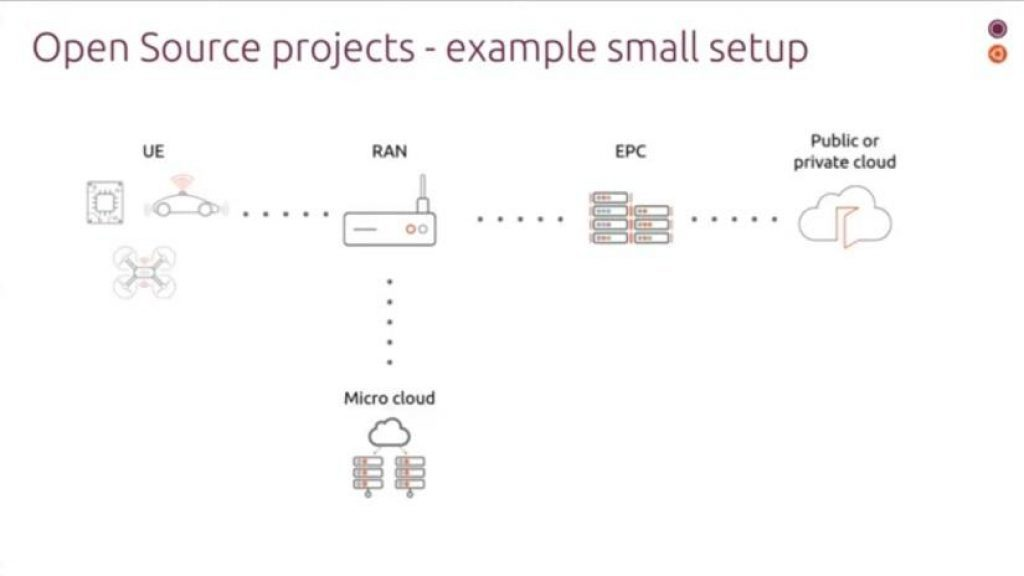
- Open Source Project – example small setup
This one is example that Mr. Marciej Mazur used for PCOS and Demos in order to make one need some user equipment like 5G enabled phone, LTE phone , drone or any other device right need a radio part , EPC to connect it to a public or a private cloud to host the application on and need some capacity at the edge also to do computation if want to AIML graphical acceleration on that’s useful. The setup that he likes the most is using one of the Open RAN vendors on the radio part using magma because it is the easiest to deploy EPC currently and connect it to Azure to host the application. On the edges the computer runs the micro cloud which will dig into later but basically it is a nice way to deploy the edge computer and also maintain and manage it.
- Open RAN Choice – ready made
So if looking at different choices of the implementations Open Ran can go with the getting a fully fledged end-to-end from a company like bubba, iraqi is wireless there are many vendors popping in that space so that is one way.
- Open RAN choice – platform only
There are two interesting platforms to build solutions on top. One is Interflex RAN. That one was first in terms of popularity and it works as well on top of Ubuntu and can build up Open RAN solutions on top of that. The other one also very interesting is the nVidia area and the whole setup that set of products that they have after buying melanox and adding smart mix into the pictures, so basically if have any kind of AIML use case and want it to be running at the edge and have 5G enabled way.
This could be something that would advise to look at his experimentation if looking of hardware do we need to RAN the POC, the small and easy to setup which will not cost tons of money would be to take a blade which is support allowing to work in a quite wide variety of spectrum obviously if doing any work related to sending signals and need to check local country laws. In most of the countries in Europe there are pieces of band which are booked for startup innovation and can freely use the they are unlicensed depending on where are located and obviously don’t break the law if it’s not allowed.
The second thing that you need is some compute capacity like interlocks are nice there are different configurations but that’s quite easy, when it’s in there it allows to run the flex RAN platforms and things using that one. The last device is raspberry pi or JSON and the washer board which has basically a snapdragon X55 can enable both ID and 5G for experimentation.
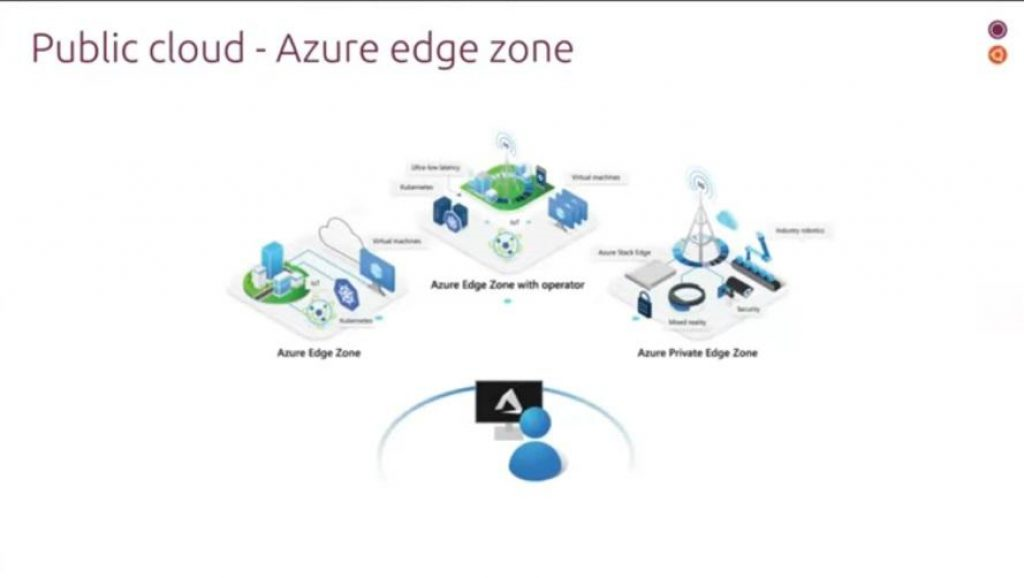
- Public Cloud – Azure edge zone
With this setup it’s the one that he already tested, can do the same on Amazon and Google and they are also in the same level but this the one that he’s using and tested.
Quick Innovation
That is the technology that was available 10 years ago, comparing it to the technology of today like the latest phone with augmented reality or the latest the same make and model of a car there is a huge difference in 10 years. Why are so many network elements from 10 years ago available in the network? There are networks which are still having network elements running on adka platforms which is even before the things that consider legacy today It’s happening because:
- Distributed systems are complex and not easy to make a network-wide upgrade so cannot just take one component like we want to use a latest and greatest stack and upgrade it hoping that like 10 versions ahead and that it will not break any compatibility.
- Software operations in distributed systems are even more complex, because besides upgrading to a completely newer piece of software you also need to maintain it, make sure that it already passed the security fixes and basically do all the operations required to efficiently run a network.
- Operators solve this problem and that is something that we propose is the best tool for the job, Canonical already does packages of the software like take a software and put it into a debian that package, docker container, into a snap so not package the operations software as well.
Model Driven Operation
Model Driven Operations is an evolution and has a fourth step. That is tools for standard configuration management that are known from OSS systems or from ID in forms of tools like terraforming puppet. It was improved for the level of declarative deployment with help chats and they are really good in addressing the deployment scenario. Obviously if I want to start adding more actions to a chart which is basically a huge file that is growing, I end up with 10.000 of YAML which no one understands and it’s really hard to manage and maintain. It will impact in the kubernetes space going to the operators for imperative lifecycle management where they define the whole solution and how it should be working.
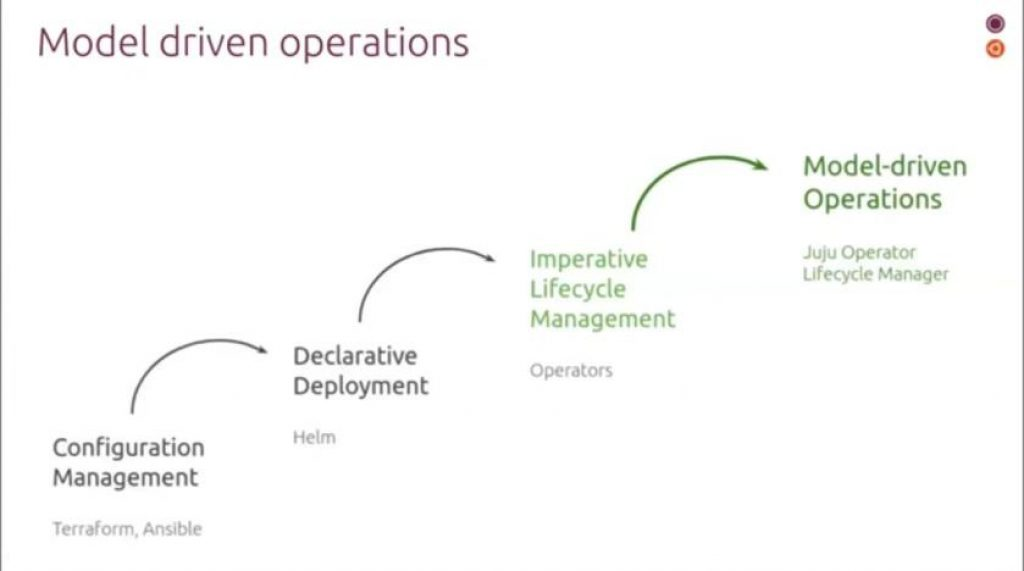
And next evolution is model driven operations which are implemented in open source projects called Juju, operators are normal software packages that are written in Python like code which defines the actions not only for the deployment but also day one and day 2 operations. So need to bring the certificates to some additional integration and to upgrade an element it’s also addressed by these software packages, they are exactly the same across many different companies or the typical IT tools so if you take SQL database or Kafka which are used in Telco they are also using using any other domain. Because this open source project we can get much people collaborating with on the deployment.